Cooling Systems Built to Handle Constant Use
Air Conditioning Repair in Orlando for equipment failures during high-demand summer months
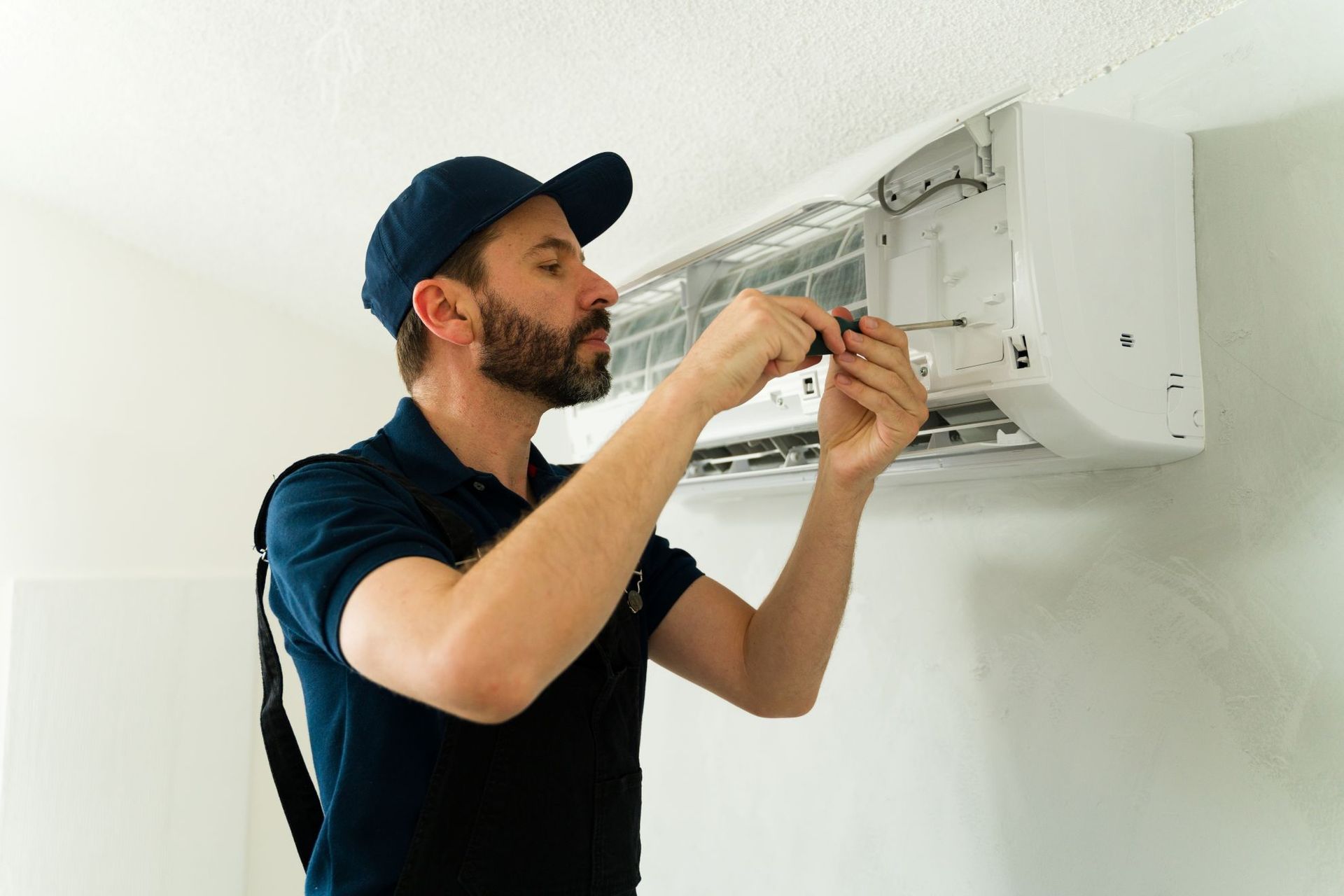
Orlando's year-round heat and humidity create operating conditions where air conditioners run six to nine months continuously, exposing mechanical and electrical components to stress levels that cause predictable failure patterns. When your central air system struggles to maintain indoor temperature, runs constantly without reaching thermostat setpoint, or shuts down on thermal overload during afternoon peak demand, the underlying cause typically involves refrigerant loss, compressor wear, or airflow restriction from clogged evaporator coils. Precision Comfort HVAC Services LLC diagnoses and repairs these issues for residential and light commercial AC systems throughout Orlando, restoring cooling capacity and operational efficiency.
The repair process identifies whether performance loss stems from refrigerant leaks that reduce system charge below design specifications, capacitor failures that prevent compressor or fan motor startup, or thermostat calibration drift that causes erratic cycling. Technicians measure superheat and subcooling values to verify proper refrigerant charge, test amperage draw on motors to detect bearing wear, and inspect condenser coils for debris buildup that blocks heat rejection.
Schedule an AC diagnostic to determine what specific component is limiting your system's cooling output.
How AC Repair Addresses Cooling Performance Loss
Air conditioning repair in Florida addresses failures unique to high-humidity climates where evaporator coils freeze from restricted airflow, condensate drain lines clog with algae growth, and outdoor units corrode from salt air exposure in coastal areas. All major brands including Carrier, Trane, Goodman, and York experience similar wear patterns when operating in continuous-run conditions, though failure modes vary based on equipment age and installation quality.
After effective repair, indoor temperature drops to thermostat setpoint within a reasonable timeframe, humidity levels decrease noticeably as the system runs complete cooling cycles instead of short-cycling, and supply air temperature at registers measures fifteen to twenty degrees cooler than return air. Your utility costs stabilize or decrease compared to the elevated bills that accompany inefficient operation, and the outdoor unit cycles off periodically instead of running nonstop even after indoor temperature is satisfied.
Some repairs restore function temporarily but indicate deeper system issues requiring attention. Refrigerant recharge without leak repair results in repeat failures within months, while compressor hard-start kit installation on units older than ten years often precedes complete compressor failure within one to two cooling seasons.
Answers to Frequent Service Questions
AC repair decisions depend on understanding what failures mean for system longevity and when continued repairs stop making economic sense compared to replacement investment.
What does it mean when the AC runs but doesn't cool?
Your compressor may be running without actually pumping refrigerant due to internal valve failure, or the outdoor fan motor may have stopped while the compressor continues operating, preventing heat rejection and causing the system to overheat and shut down on safety limits.
How long should an AC repair last in Orlando conditions?
Capacitor replacements typically last three to five years in constant-run environments, while compressor repairs or refrigerant leak sealing provide reliable service for five to seven years if the rest of the system remains sound and airflow stays within design specifications.
Why does the AC freeze up during operation?
Evaporator coil icing happens when airflow drops below four hundred cubic feet per minute per ton of cooling capacity, usually from dirty filters, closed supply registers, or blower motor speed issues that prevent adequate air movement across the coil surface.
What repairs indicate the system should be replaced?
Compressor failure, heat exchanger cracks in the air handler, or multiple refrigerant leaks in an outdoor coil typically signal that repair costs will approach fifty to sixty percent of replacement cost while leaving other aging components likely to fail soon.
How does mini-split repair differ from central AC repair?
Ductless mini-split systems use separate refrigerant circuits for each indoor head unit and experience different failure modes, including condensate pump failures, electronic expansion valve problems, and communication errors between indoor and outdoor units that central systems don't encounter.
Precision Comfort HVAC Services LLC evaluates repair options alongside replacement cost analysis to help you make informed decisions about aging AC equipment. Request a cooling system assessment to understand what your specific situation requires.